Skip to content

– By Jennifer Fleming, MSN, APRN, FNP-BC
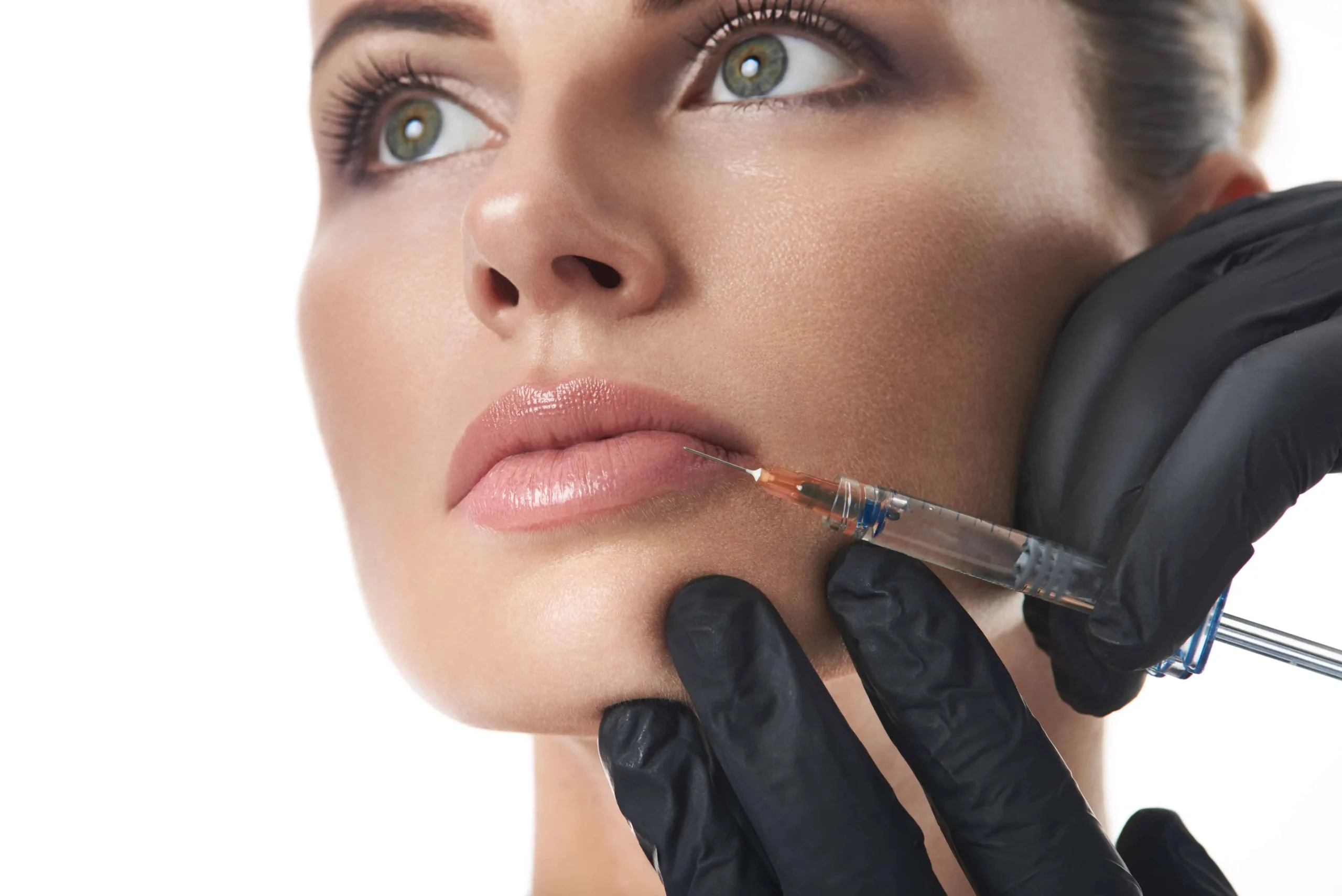
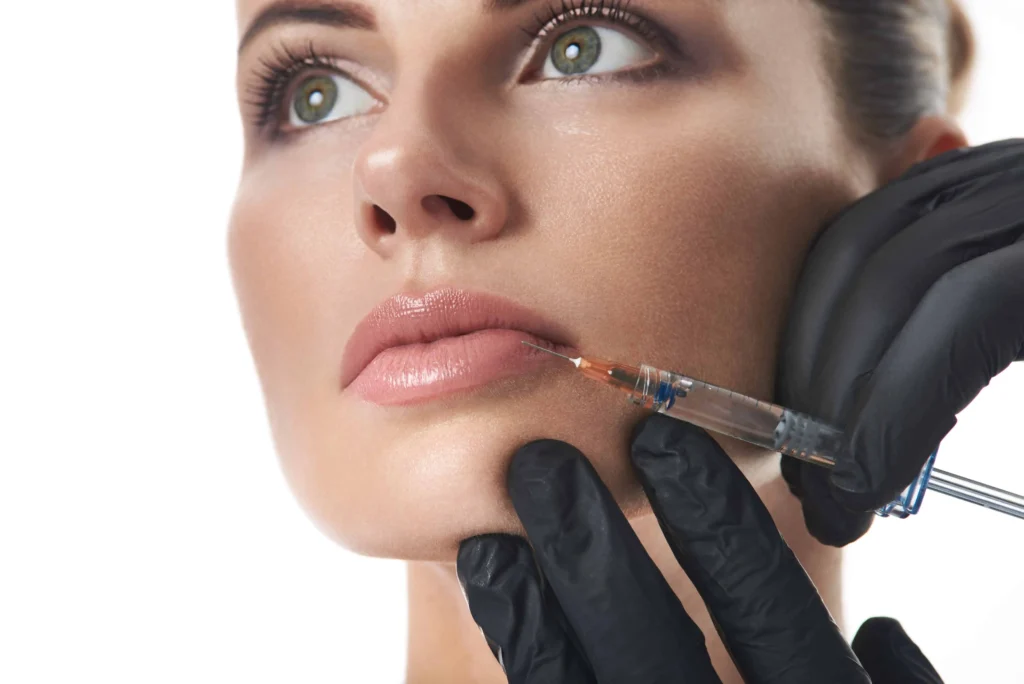
Lip filler continues to be one of the most popular treatments in aesthetic medicine, and when performed thoughtfully it can create beautiful, natural results. However, over time some patients begin to notice that their lips no longer look quite the way they hoped.
This is something we see fairly often in practice. Many patients come in after having had their lips treated multiple times over several years and start to notice subtle changes. Perhaps the lips appear slightly overfilled, uneven, or the natural shape of the lip no longer looks as defined as it once did.
When this happens, the natural instinct for many patients is to simply add more filler. In reality, that is often the moment when we pause and take a step back.
Sometimes the most natural result comes not from adding more filler, but from dissolving a small amount and restoring the natural structure of the lip.
Why Lip Filler Can Change Over Time
The lips are one of the most dynamic areas of the face. The muscle that surrounds the mouth, called the orbicularis oris, is constantly active when we talk, eat, and express ourselves.
Because of this constant movement, filler placed in the lips can sometimes redistribute within the tissue over time. Patients often describe this as “filler migration,” although in reality it is usually the result of several factors working together.
Lip filler outcomes can be influenced by:
• the technique used during injection
• the depth or plane where filler is placed
• the type of filler product used
• the natural movement of the lip muscle
• and repeated treatments over time
When these factors combine, filler may begin to sit outside the natural lip structure or create small pockets within the tissue.
Signs That Lip Filler May Need to Be Corrected
Patients often notice subtle changes first. From the side view, the upper lip may develop what many people describe as a “ski-jump” appearance. Others may notice bulging above the lip border or uneven texture when they press on the lips.
Sometimes, if the lip is turned slightly upward, small pockets of filler can even be seen within the tissue.
When these changes occur, simply adding more filler rarely produces the most natural outcome.
Instead, carefully dissolving specific areas can allow the lips to return to their natural shape before any refinement is done.
Dissolving Filler Does Not Always Mean Starting Over
One of the most common misconceptions patients have is that dissolving filler means removing everything from the lips.
In many cases that is not necessary.
Using hyaluronidase, an enzyme that dissolves hyaluronic acid fillers, we can often treat very small targeted areas. This allows us to correct irregularities while preserving areas of the lip that still look natural.
In some cases, tools such as ultrasound imaging can even help identify where filler sits within the tissue, allowing for more precise treatment.
When a Full Lip Reset May Be Helpful
For patients who have had their lips filled repeatedly over many years, sometimes a complete reset can produce the best long-term outcome.
A helpful way to think about this is to imagine a balloon that has been filled many times. Over time the balloon stretches. Similarly, lip tissue can stretch slightly after repeated filler treatments.
When this happens, the tissue may lose some of its natural support, and the filler may not sit as smoothly as it once did.
Allowing the lips to return to their natural baseline can sometimes create a much better foundation for future treatments.
Supporting Lip Tissue Before Refilling
If the lip tissue has been stretched or weakened over time, treatments that support tissue quality can be helpful before refilling the lips.
One option is platelet-rich plasma (PRP) therapy. PRP uses growth factors from the patient’s own blood to stimulate collagen and elastin production, helping strengthen the lip tissue and improve overall structure.
This can create a healthier foundation if filler is later placed again.
Natural Results Should Always Be the Goal
One of the most important principles in aesthetic medicine is respecting the natural anatomy of the face.
Not every lip is designed to hold large amounts of filler. Trying to force volume into lips that do not naturally support it can lead to results that look unnatural over time.
Sometimes the most artistic and responsible approach is to pause, reset, and restore the natural lip shape before enhancing it again.
When It Might Be Time for a Lip Reset
If your lips no longer look the way you hoped after previous filler treatments, it may simply be time to reassess.
Dissolving filler is not a failure. In many cases, it is an important step toward achieving a more natural and balanced result.
A thoughtful evaluation can help determine whether subtle correction, targeted dissolving, or a full reset will produce the best outcome.