Skip to content


– By Jennifer Fleming, MSN, APRN, FNP-BC, CANS, MSc(s)
Today I start the final module of my Master’s program in Aesthetic Medicine through Queen Mary University of London. Module 8 marks the last structured portion of the program before I begin my dissertation, and reaching this point has made me pause and reflect on the journey that led me here.
It has also made me think more deeply about something I care a great deal about: education in aesthetic medicine, particularly here in the United States.
Aesthetic medicine is one of the fastest-growing areas of healthcare today, yet the path into the field can look very different depending on the provider. Unlike many other specialties in medicine, there is not yet a universally standardized educational framework that defines how providers train in aesthetic medicine.
The Unique Landscape of Aesthetic Medicine Education
Providers enter aesthetic medicine from many different medical backgrounds. Some come from dermatology or plastic surgery, while others transition from nursing, emergency medicine, internal medicine, or other specialties.
What we all share is training in patient care, clinical assessment, and diagnosis. But when it comes to aesthetic medicine itself, the education that follows often depends on how providers seek out training on their own.
Most providers build their knowledge through courses, workshops, conferences, and hands-on trainings. Many of these programs are excellent, but the experience can vary widely.
Because of this, aesthetic medicine education often requires a great deal of initiative and ongoing commitment to learning.
The “Swiss Cheese” Model of Learning
When I first transitioned from hospital medicine and critical care into aesthetics, I realized that education in this field can sometimes resemble what I think of as the “Swiss cheese” model.”
Providers attend courses and become very strong in certain areas, but because the field is so broad, there can still be gaps in knowledge in other areas.
This isn’t because providers aren’t dedicated to learning. It’s simply a reflection of how expansive aesthetic medicine truly is.
Many people think of aesthetics primarily as injectables, but the field encompasses far more than that.
What Aesthetic Medicine Really Encompasses
Modern aesthetic medicine includes—but is certainly not limited to—a wide range of medical and regenerative treatments that address both the structural and biological aspects of aging.
These areas include:
• Facial balancing with neuromodulators and dermal fillers
• Biostimulatory and regenerative therapies such as platelet-rich plasma and collagen-stimulating injectables
• Energy-based technologies including lasers, radiofrequency, ultrasound, and light-based devices
• Skin physiology and dermatologic conditions such as acne, rosacea, pigmentation disorders, and acne scarring
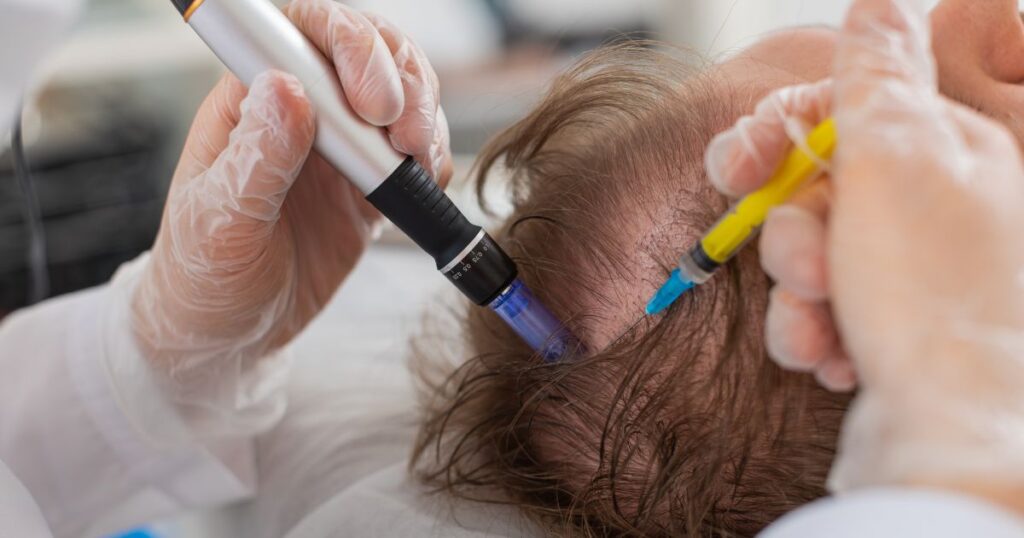
• Hair restoration therapies
• Sexual health and regenerative treatments
• Hormonal and metabolic factors that influence skin health and aging
When viewed together, aesthetic medicine sits at the intersection of dermatology, regenerative medicine, endocrinology, and procedural medicine.
Because of this, becoming truly proficient in the field requires more than simply learning techniques. It requires a deeper understanding of skin biology, wound healing, aging physiology, and patient safety.
Why Evidence-Based Medicine Matters in Aesthetics
One of the reasons I chose to pursue a Master’s degree in aesthetic medicine was to strengthen my understanding of the science behind the treatments we perform.
Coming from a background in hospital medicine and critical care, I was trained to approach medicine through an evidence-based framework.
That same rigor is incredibly important in aesthetic medicine.
In practice, we should always be asking:
- What does the research show?
- What are the best standards of care?
- How do we ensure safe and effective outcomes for patients?
When treatments are guided by research and physiology, it ultimately leads to better care and better outcomes.
The Importance of Lifelong Learning
One of the biggest lessons this program has reinforced for me is the importance of remaining a lifelong learner.
Medicine evolves quickly, and aesthetic medicine evolves even faster. New technologies, regenerative therapies, and treatment approaches are constantly emerging.
Providers who want to practice responsibly and deliver the highest quality care must remain curious and committed to continued education.
Looking Toward the Future
As aesthetic medicine continues to grow, I hope we begin to see more structured educational pathways develop here in the United States.
There are incredible providers, educators, and researchers working in this field today. Expanding academic programs, research initiatives, and training opportunities could help strengthen aesthetic medicine as a respected and well-defined medical discipline.
A Field That Continues to Evolve
Aesthetic medicine occupies a unique place within healthcare. It blends science, medicine, and artistry while helping patients feel more confident and comfortable in their own skin.
As I begin this final module and look ahead to the dissertation phase of my program, I feel grateful for the opportunity to continue learning in a field that is still evolving and defining itself.
And perhaps the most important part of practicing medicine—whether in aesthetics or any other specialty—is the willingness to never stop learning.
Jennifer Fleming, MSN, APRN, FNP-BC, CANS, MSc(s)
Owner & Medical Director
The Alchemy Clinic